When Glass is the Weak Link: Moving from Design Assumptions
Glass and glazing systems shape the modern built environment, balancing aesthetics with critical demands like energy efficiency, acoustic control, and occupant safety. But a system that looks flawless on paper, or even right after installation, can still fail when subjected to real-world stresses. From accelerating climate and weather disasters to complex physical security threats, the performance expectations on building envelopes have never been higher. Relying purely on visual inspections or unverified design assumptions creates a dangerous performance gap, leading to costly leaks, structural failures, delayed approvals, and compromised safety.
What you'll discover inside:
- The Anatomy of the Performance Gap: Why flawless drawings don't always translate to real-world durability.
- Multi-Threat Risk Management: How to evaluate glazing assemblies against severe weather, forced entry, and long-term environmental degradation.
- The 3-Phase Verification Framework: Best practices for specifying, laboratory testing, and field-verifying complex glass assemblies.
- Mitigation & ROI: Why data-driven performance decisions drastically lower risk and maximize asset longevity.
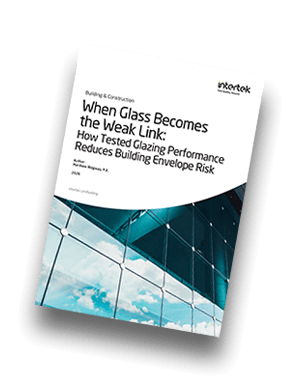
Complete the form below to download our white paper, When Glass Becomes the Weak Link: How Tested Glazing Performance Reduces Building Envelope Risk, to learn how independent testing, certification, and field verification close this gap and protect your building's lifecycle.
Related Links
You may be interested in...
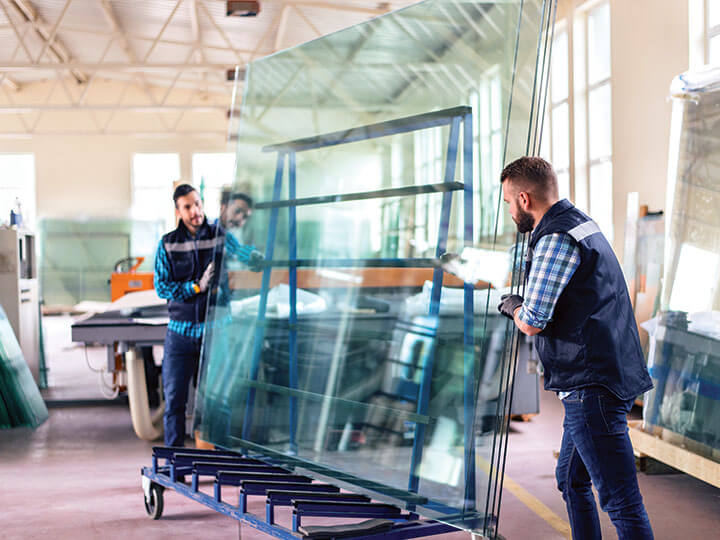
Glass and Glazing Testing, Certification & Failure Analysis
Reduce risk and validate the performance of your glass and glazing materials.